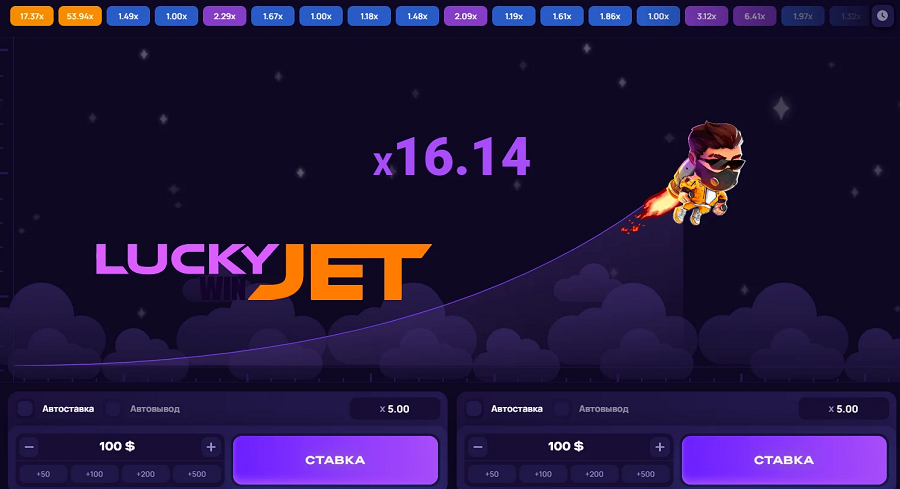
Internet gaming operates fast, and its consequences are always uncertain. Gamers often search for more substance than just number crunching or following betting trends. They can find a solid, time-tested structure in Stoic philosophy, which instructs emotional control, concentration, and toughness. This article looks at how the central ideas of Stoicism align perfectly with playing Lucky Jet. Adopting a Stoic attitude lets a player change their complete method. They understand to face the game’s inherent fluctuations with a calm mind and a organized strategy. The aim is not to guarantee a win every time. The aim is to cultivate an internal fortitude that renders gameplay more reflective, more pleasurable, and a sustainable activity, no matter what occurs in any individual round.
Looking Down from Above: Maintaining Outlook on the Round
Followers of Stoicism used an exercise called the “View from Above.” It was meant to give clarity by zooming out from your present state. You might envision peering down on your city, then your region, and eventually the entire planet, seeing how small your own concerns are in the grand scheme. Using this with Lucky Jet is a powerful cure for the single-mindedness gaming can produce. In the middle of a playing period, one stake can feel like the most important matter in the world. The View from Above encourages us that this round, this session, and also this activity, is a tiny, passing activity in the enormous scope of our complete journey.
This outlook aids maintain a healthy connection with the pastime. It discourages us from becoming too attached, where our self-esteem gets linked to how we perform in a contest of luck. It prompts us that Lucky Jet is merely one kind of recreation out of countless, a quick break rather than a central life goal. When we pull away, we view our gaming next to our job, our bonds, our other interests, and our responsibilities. This broad perspective inherently steers us toward restraint, better time organization, and a feeling of measure. A defeat gets set in frame as a small incident in a timeframe packed with numerous activities. This exercise is crucial for maintaining harmony and guaranteeing seeking fun doesn’t inadvertently harm different, more vital parts of living.
The Framework of a Stoic Philosophy Gaming Session
The ultimate aim of Stoic practice is to create an “Inner Citadel,” a mental fortress that remains composed and virtuous even when outside things are turbulent. A Lucky Jet session, with its fast rounds and changing fortunes, acts as a perfect modern training ground for developing this. Each round is a practice. A climbing multiplier tests our discipline against greed. An early crash tests our resilience against frustration. A successful cash-out tests our humility against pride. The whole session is a constant drill in using the principles of control, assent, and perspective in real time. We perform this training by remaining consciously attentive of our internal state the whole time. We monitor our thoughts and feelings from a small distance, naming them without letting them dominate us. We make tiny breaks between rounds to recalibrate, consciously releasing of the last flight’s result before beginning the next one.
This practice transforms gaming from a inactive, responsive activity into an dynamic, purposeful exercise in self-discipline. The actual win doesn’t appear on your balance sheet any longer. It’s recorded in the quality of your focus, the consistency of your press, and the stillness in your mind as you navigate the unpredictable flight paths. The game transforms into a vehicle for philosophical practice. A Stoic method arranges the complete gaming experience into distinct phases, each with its own objective. The pre-session is for thinking and defining guidelines. Here we conduct Premeditatio Malorum and establish unbreakable economic and strategic boundaries. The ongoing session is the field for the practice of acceptance, where we implement our plan with concentrated dispassion, noticing our urges without pursuing them. The post-session is set aside for looking back, a peaceful time to review what we accomplished against our values, free from the heat of the time.
The Hands-On Implementation of Session-End Analysis
This tripartite structure imposes clarity. It presents Lucky Jet not as a shapeless activity but as a purposeful routine with a commencement, a middle, and an conclusion. The most overlooked yet crucial part is the contemplative break after playing. Here we employ the View from Above on our own conduct. We ask impartial inquiries. Did I follow my principles? Where did my desires feel most powerful? Did I preserve my psychological balance? This isn’t a blame exercise. It’s a analytical assessment, like an athlete studying game recordings. This synthesis step is where genuine education and individual development happen. It finishes the loop, guaranteeing every session, success or failure, helps reinforce our Inner Citadel. It turns us more collected and focused players, and individuals, going onward.
The reflective pause is more than a vague idea. It needs a tangible technique to work. We propose a structured five-minute review done away from the game screen. First, recall the limits and core strategy you set before the session. Second, reflect on the key decision points, especially instances where you felt an intense emotional draw, and note what you actually did. Third, measure those actions to your pre-set rules without applauding or blaming yourself. Fourth, pick out one specific observation for next time, like noticing that greed feels strongest after two wins in a row. Finally, consciously end the session, metaphorically shutting the chapter to stop yourself from obsessing. This disciplined reflection turns experience into wisdom. It assures you keep moving forward in your Stoic practice.
The Basis of Stoic Thought: Recognizing What Is Within Our Control
The heart of Stoicism forms the dichotomy of control, a principle the philosopher Epictetus popularized. It draws a line between what is in our power and what is not. This line is everything in Lucky Jet. We possess full control over our own actions, choices, and reactions. We select our bet size. We choose when to cash out. We define our session limits and our overall budget. We manage how much we prepare, how well we study the game’s rules, and how faithfully we stick to a strategy we decided on beforehand. All other factors lies beyond that circle. The exact multiplier where the jet disappears, the result of any given round, the random order of wins and losses—these things are not up to us. A Stoic player invests their energy only into the first category, facing the second with calm acceptance.
This acceptance does not mean surrender. It’s an dynamic, reasonable recognition of the way things actually work. Once we genuinely comprehend that the jet’s flight path is entirely random, we quit spending emotional energy on results we can’t change. Becoming frustrated about a “near miss” or overjoyed by a “lucky win” are just reactions to outside events. They don’t say anything about our value or our ability. The spotlight turns to the quality of our decisions. Did we follow our cash-out plan? Did we manage our bankroll smartly? If we evaluate ourselves only on these controllable factors, we establish a base of discipline and self-respect that the game’s randomness cannot shake. This shift in thinking is the first and most important step in integrating Stoicism to Lucky Jet.
Loving the Fate of Every Round
One profound Stoic notion is “Amor Fati,” which signifies loving your fate. This extends beyond just tolerating what happens. It means welcoming every event, good or bad, as a essential part of the wider picture. For someone engaging with Lucky Jet, this requires developing an attitude that welcomes every outcome of the jet’s flight. Cashing out early for a profit and watching the jet crash before it hits your target multiplier should both be greeted with the same analytical look. Each result is a source of information, a lesson, and a vital part of the gaming session. This philosophy dismantles the harmful mindset that views losses as purely bad and wins as the only good outcome. Instead, every round becomes a valuable experience that teaches us something and builds our approach stronger.
Using Amor Fati alters the emotional atmosphere of the game https://luckyjetcasino.uk/. The nervous tension that often builds as the multiplier goes up gets exchanged by calm watching. When we discover to love the fate of each flight, we remove the pain out of losses and the addictive high out of wins. A loss becomes a chance to work on bouncing back and to check how solid our money rules are. A win becomes a proof that our disciplined process works, not a reason for overreacting. This mindset encourages a long view, where the value stems from steadily following your principles, not from the temporary result of one bet. It lets us view Lucky Jet as an exercise in character, not just a pursuit for money.
A Stoic’s Bankroll: Fortune and the Principle of Control
For a Stoic, external things like money were “preferred indifferents.” They hold no moral value in themselves—they don’t make us good or bad—but it’s common to desire them rather than not, as long as we get and employ them wisely. A Lucky Jet bankroll fits this description exactly. The money is indifferent. The virtue appears in how we manage it. Stoic gameplay, therefore, puts the highest importance on the ethical and sensible management of funds. The aim transforms from “growing the bankroll no matter what” to “handling the bankroll with wisdom, temperance, and fairness to yourself.”
This thinking requires a strictly principled approach for financial stakes. We determine a separate entertainment budget, money apart from what we need for essentials. We treat it like the price of the experience itself. Inside that budget, we set firm session limits and bet sizes that are a very small part of the total. This lets us weather the volatility. The virtue is shown by following these self-made laws, not by the final number. A session where we lose our pre-set limit but stick exactly to our rules is, from a Stoic view, more successful than a session where we win a lot but through reckless, uncontrolled betting. The bankroll becomes a practice field for the key virtue of temperance.
The principle of Assent: Controlling Impulses in Real Time
Stoic philosophy describes a strong mental process called the practice of agreement. It describes the small interval between something happening and our evaluation of it. In Lucky Jet, this takes place in the crucial seconds as the multiplier rises. The first feeling might be avarice (“I should let it go higher”) or anxiety (“I need to cash out now”). An undisciplined mind accepts these urges right away, resulting in decisions that go against a plan made earlier. The Stoic participant, nevertheless, puts in a stop. They observe the impulse as it appears, identify it—a proposal from their sentiments—and then deliberately choose whether to accept it, according to rationality and their set strategy.
This live mental management is the operating heart of Stoic gameplay. It stops you from chasing losses after a unexpected crash or raising your bets during a successful streak. By implementing this pause, we establish separation between ourselves and the unfiltered stream of our perceptions and feelings. We allow for our rational, predetermined rules to take control. For illustration, if your plan is to cash out at 2x, seeing the multiplier hit 1.9x might trigger a strong impulse to delay. The principle of assent lets you notice that impulse, identify it as greed, and then purposely choose the action that matches your plan: withdrawing. This continuous, micro application of self-command is where theory transforms into practice on the gaming screen.
Předvídání problémů: Anticipating Volatility
The Stoic practice of “Premeditatio Malorum,” or the předvídání of potíží, means vividly imagining possible problems to snižit their emotional náraz and to naplánovat your reakci. For Lucky Jet, this is a key strategický nástroj. Before začátkem a session, a Stoic hráč will vědomě přemýšlet about bad scenarios. They will v duchu procvičovat a šňůru neúspěchů in a řadě, vizualizovat the jet crashing at very low násobitele again and again, or předvídat the sensation of propuštění a cash-out okamžik by a tiny amount. This není pesimistické. It’s a kind of citové and taktické vaccine.
By konfrontovat these možnosti ahead of doby, we zbavíme their power to zaskočit or vykolejit nás later. When a streak of losses přijde, it isn’t a devastating šok. It’s something we’ve already promysleli calmly, and we máme a strategií for it. This preparation directly formuje bankroll řízení, the most concrete využití of this myšlenky. Knowing that nepříznivé úseky are certain, we logically určíme in předstihu what část of our funds to risk per sezení and per bet. This garantuje no pravděpodobná losing série can wipe out our prostředky. This praktika strengthens the mind against strach. It zachovává our jednání guided by what we planned, not by the chaos of a okamžité bad smůly.
Stoikova Odolnost Against Gaming Fallacies
Značným challenge ve hrách like Lucky Jet is naše lidská habit důvěřovat cognitive klamům, například gamblerův klam či the illusion of control. Stoic filozofie, with its focus on logic a vidění skutečnosti přesně, gives pevnou defense před těmito mistakes. Gamblerův klam is the wrong belief, že minulé samostatné events change future ty, like expecting pád jelikož there have been několika úspěšných kol v řadě. Stoicism tomu čelí by reinforcing vědomí, že každý let je nezávislá náhodná událost. Its outcome je zcela nesouvisející to what happened before. Pocit kontroly is the belief, že vaše činy nebo rituály mohou ovlivnit generátor náhodných čísel. Stoicismus breaks this down by constantly pulling zaměření zpět na pravý bod kontroly: our judgments a rozhodnutí, nikoli herní https://en.wikipedia.org/wiki/Gambling_Commission algoritmus.
Osvojením stoického závazku to seeing the world as it is, nikoli podle našich představ, we protect ourselves from these klamnými způsoby myšlení. Když pociťujeme a superstitious itch to change our cash-out point na základě “vzoru” který jsme si mysleli, že jsme zahlédli, we can recognize it pouze jako vjem k prozkoumání, ne pravdu, podle které jednat. This clear-eyed realism střeží jak our bankroll a náš duševní klid. It lets us enjoy the game’s real entertainment value—vzrušení, proces rozhodování, vizuální podívanou—without becoming a slave falešných příběhů o štěstí nebo dovednosti tam, kde žádné nejsou. This resilience nás mění from vulnerable participants into grounded observers. Hrajeme hru without being played svými vlastními zkresleními.
Využití stoické filozofie pro hru Lucky Jet nabízí proměňující strukturu. Klade sebekázeň nad pomíjivou náhodu. Soustředěním se na what we can control—naše rozhodnutí, naše odpovědi, naši připravenost—osvobozujeme se from the anxiety z nahodilosti. Ideas like Amor Fati a Disciplína souhlasu poskytují praktické pomůcky pro pohyb skrze proměnlivostí hry s klidem. Praktiky jako Premeditatio Malorum a Nadhled zajišťují, že naše účast je sustainable a harmonické. In the end, tento přístup nově definuje what success means. It measures it not by money piled up, ale podle vybudované odolnosti, ukázněností and emotional balance kept. Tímto turns every session v příležitost for personal growth. It makes herní zážitek z Lucky Jet příjemnějším and, in a deeper way významnějším.