I’ve dedicated a lot of time testing crash games, and ir al sitio web is still the slot Peruvian players ask me about most when they want to move past standard slots. The name says slot, but what you actually receive is a real-time multiplier game where a small airplane climbs across the screen and your payout increases with every fraction of a second you stay in the round. Trying before you bet matters because it lets you internalize the rhythm, test cashout reflexes, and comprehend the math without endangering a single sol. In this guide I will guide you through every concrete detail that counts: how the crash mechanic works, what RTP and volatility really mean inside Aviator, the exact betting tools you have, and how to use the free demo mode to build a practical feel before you invest real money. Everything I detail is based on the standard Spribe version of the game that dominates the Peruvian market, and I’ll point out where you should verify specifics on the platform you choose.
What Makes Aviator Different from Traditional Slots
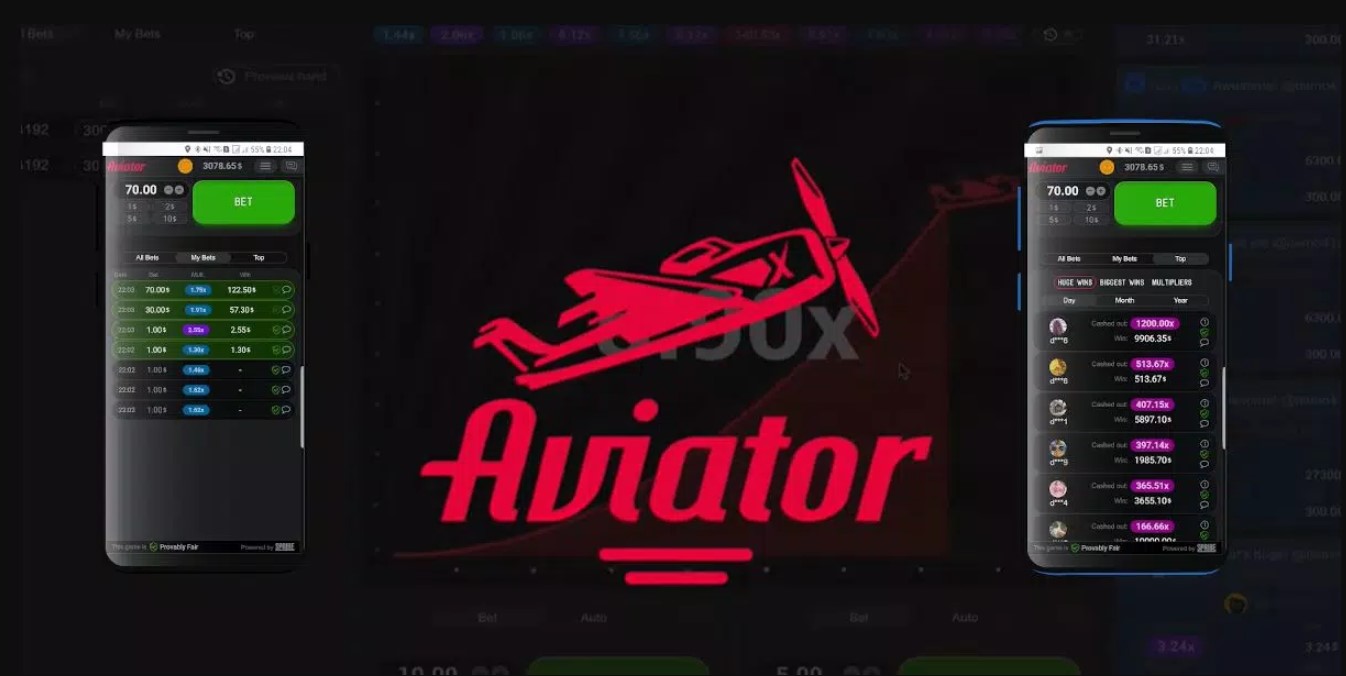
If you approach Aviator expecting reels, paylines, or scatter symbols, you might be confused during the first second. This is not a slot in the classic sense. The screen displays a black background with a graph grid, a red airplane ascending from the left, and a multiplier counter that begins at 1.00x and climbs. Your only decision is when to press cashout. There are no spinning reels, no wilds, no free spin triggers, and no bonus rounds concealed behind three scatters. That fundamental difference alters how you approach bankroll management and session rhythm. Because every round runs anywhere from a few seconds to a rare minute or more, you are not anticipating a feature to land. You are actively deciding the outcome of each bet.
The absence of paylines also means there is no paytable in the traditional sense. Your win is simply your stake multiplied with the number displayed on the screen at the instant you cash out. If you bet 5 PEN and hit cashout at 2.34x, you walk away with 11.70 PEN. If you wait too long and the plane flies away, you lose the entire stake. This direct relationship between timing and payout is what makes Aviator feel more like a trading or reflex game than a slot. For Peruvian players accustomed to video bingo or classic three-reel machines, the mental shift is significant, and that is exactly why a demo session is useful before you put money down.
Another key difference is social transparency. The interface shows recent rounds from other players, their cashout multipliers, and the total amounts won. You can see that someone just turned 2 PEN into 20 PEN at 10x, while another player lost because they held too long. That shared data feed generates a sense of collective experience you never get on a solitary slot machine. It also gives you real historical information you can study during demo play to understand multiplier distribution patterns, even though each round is independently generated.
Multiplier values, Max Win Potential, and Payout math
Aviator does not feature a fixed jackpot, but the maximum multiplier is theoretically capped at an extremely high value, often around 1,000,000x in the Spribe version. In real terms, multipliers above 1,000x are extremely rare, and most sessions will see a peak somewhere between 10x and 200x over many hours of play. Your payout is always a straightforward multiplication: stake times cashout multiplier. If you bet 10 PEN and exit at 15.50x, you receive 155 PEN. There are no deductions, no bonus round adjustments, and no maximum win limit enforced by the game itself, though individual casino platforms may set their own caps on total payout per round.
The max win potential is therefore limited only by the multiplier ceiling and the size of your bet. However, chasing a 1,000x multiplier with a large stake is a quick way to deplete a bankroll because the probability of a round reaching that height is minuscule. In demo mode, you can simulate what happens if you set a 50 PEN bet and target 500x. You will likely watch your virtual balance disappear over dozens of rounds before you hit anything close. That experience is humbling and very educational. I believe every player in Peru should run that same simulation with play money before ever considering a high-multiplier strategy with real funds, because seeing the balance drop on screen teaches risk in a way that reading about probabilities never can.
Payout calculations become a bit more interesting when you use the double bet feature. Suppose you place 5 PEN on Bet 1 with auto cashout at 2.00x and 2 PEN on Bet 2 with manual cashout. If the round reaches 2.00x and you manually exit Bet 2 at 4.50x, your total return is (5 × 2) + (2 × 4.50) = 10 + 9 = 19 PEN on a total stake of 7 PEN. If the round crashes at 1.80x, you lose both bets. The demo mode lets you run dozens of these split scenarios and calculate the net result, which is the optimal way to find a configuration that fits your personal profit target and loss tolerance.
How to Experience Aviator for Free: The Advantage of Demo Mode
Nearly every online platform that features Aviator to Peruvian players includes a demo or fun play version that needs no registration and no deposit. You simply navigate to the game, and if a real-money balance is not detected, the interface typically loads a virtual balance of several thousand units. The demo mode is the same as the real-money game in every functional respect: the same crash mechanics, the same betting panel, the same double bet fields, the same auto cashout settings, and the same provably fair verification tools. The only difference is that your wins and losses do not affect your wallet.
I view the demo mode the absolute most underused educational tool in online gaming. It enables you to test specific hypotheses about the game without financial pressure. You can ask questions like what happens if I always cash out at 1.15x for 200 rounds, and then actually run the experiment and count the results. You can practice the physical motion of placing two bets and setting two different auto cashout values within a five-second countdown until it becomes automatic. You can also analyze the game’s rhythm at different times of day, although the random number generator does not care about the clock. The demo mode is extremely beneficial in Peru because internet speeds can vary, and you want to know how the game performs on your connection before you have money at stake.

Finding the Demo Mode in Peru
To start a free Aviator session, you typically access the game page on a casino website or a review portal that hosts the official Spribe embed. If you already have an account, look for a Demo or Play for Fun button near the real-money launch option. If you are not logged in, the game often loads directly in demo mode. I suggest using a desktop browser for your first few sessions because the larger screen makes it easier to read the multiplier and click the cashout button accurately. Once you are comfortable, move to your mobile device and test the touch interface, because many Peruvian players prefer to play on smartphones. The demo mode on mobile preserves the same layout, but the cashout button is positioned near the bottom of the screen where your thumb naturally rests, and you will want to verify that you can tap it without accidentally triggering a bet adjustment.
Design Concept and Visual Atmosphere
Aviator relies on a clean aviation theme that never distracts from the numbers. The color palette is built around deep black, neon red, and white grid lines that look like a radar screen or a stock chart. The airplane itself is a simple red silhouette with a light vapor trail, and the multiplier curve renders in real time as a white line that climbs and eventually ends abruptly when the round crashes. There are zero animated characters, zero cinematic cutscenes, and no thematic soundtracks filled with orchestral swells. Instead, you get a low electronic hum and a ticking sound that accelerates as the multiplier climbs. I find that builds more tension than any complex theme could.
This bare-bones design is purposeful. Spribe designed Aviator to function smoothly on mobile devices with weak connections, which matters a great deal in Peru where many players play games on mid-range Android phones and sometimes rely on mobile data. The interface is fast to load, the plane animation is light, and the betting panel keeps working even when the multiplier is rising quickly. The visual focus is centered on the growing number and the cashout button, which shines green and pulses gently to signal you that you can leave at any moment. There is no clutter, no pop-up advertising for other games, and no confusing menu structure overlaying the play area.
For a Peruvian audience experiencing Aviator for the first time, the atmosphere can come across as cold compared to the bright, festive graphics of a common Latin American-themed slot. I personally view that as an plus. The lack of sensory overload helps you concentrate on the single skill this game challenges: your ability to evaluate the situation and react decisively. The demo mode maintains every visual and audio element exactly as they appear in real-money play, so you can acclimate to the pressure of the ticking sound and the flashing multiplier without financial consequences.
The way the Crash Mechanic Actually Works
The heart of Aviator is a provably fair random number generator that sets a secret crash point before the round even begins. When you put your bet and the countdown hits zero, the multiplier starts at 1.00x and grows along a predetermined curve. The round continues until it arrives at that hidden crash point, at which moment the plane flies off the screen and all active bets that have not been cashed out are lost. The multiplier can stop at 1.01x, at 2.50x, at 100x, or at any value in between, and the distribution is biased so that low crashes occur far more commonly than high ones.
Realizing that the crash point is fixed before takeoff is vital because it eliminates the illusion that you can feel when the round is about to end. The accelerating ticking sound and the steepening curve do not suggest an impending crash. They are purely cosmetic. I have viewed hundreds of rounds in demo mode, and I can confirm that a round that hits 5x is no more likely to crash at 5.10x than a round that just exceeded 1.20x. The game’s mathematics are independent, meaning each new round is completely separate of the previous one. This is the single most important concept to internalize during free play, because it protects you from the gambler’s fallacy that a high multiplier is overdue after a streak of low crashes.
The Multiplier Curve and Crash Point Generation
The multiplier does not increase linearly. It goes up slowly at first, then accelerates. The formula uses an exponential growth function that makes the early seconds feel comfortable while the later stages become visually dramatic. This design https://elpais.com/sorteos/2025-05-17/loteria-nacional-sorteo-del-sabado-17-de-mayo.html choice is mental: it entices you to stay in the round a little longer because the number is climbing faster and the potential reward seems to explode. In reality, the probability of the round continuing to any given multiplier decreases steeply as the number climbs. The house edge is built in the gap between the true odds of achieving a multiplier and the payout you obtain when you cash out.
Cryptographically Fair Verification
Every round in Aviator can be independently confirmed using cryptographic hashes. The game blends a server seed, a client seed, and a nonce to produce the crash point, and after the round ends you can verify the hash to validate that the outcome was not tampered with. During demo play, you will often see a Provably Fair icon that lets you retrieve the seeds. I recommend taking a few minutes to go through a verification exercise with a free round, because understanding this mechanism builds genuine trust in the game’s integrity before you ever fund your account.
Grasping RTP and Variance in Aviator
The theoretical return to player for Aviator is 97%, which positions it in the similar range as many high-RTP slots and table games. That number reflects the long-term expected payback across millions of rounds, and it presupposes optimal player decisions. In practice, your personal return depends completely on when you decide to cash out. If you regularly exit at very low multipliers, you will attain a high hit frequency but small average wins, and your effective RTP will approach the theoretical number over time. If you go after large multipliers and frequently crash with zero, your short-term results will be far more erratic and your realized return can fluctuate wildly below or above 97%.
Fluctuation in Aviator is not a fixed variable like it is in a slot where the paytable and hit frequency are mathematically determined. Instead, volatility is player-driven. You can adjust the game to function like a low-volatility gameplay by setting an auto cashout at 1.20x and making small bets, or you can convert it into an extreme high-volatility experience by targeting 50x and understanding that you will lose many rounds in a row. This versatility is rare and is one of the factors I find Aviator so instructive for bankroll education. During demo play, I suggest testing with both extremes so you can experience the emotional contrast between grinding out tiny consistent gains and suffering long dry spells while hunting a monster multiplier.
For Peruvian players who are used to fixed-volatility slots where the game controls the variance, this adjustable characteristic can be disorienting at first. The demo mode is the ideal sandbox to find your own comfort zone. You might realize that you detest the stress of watching the multiplier climb past 3x, or you might understand that cashing out at 1.15x tires you to tears. Neither inclination is wrong, but recognizing it before you transition to real money prevents costly emotional mistakes. I always counsel spending at least a hundred demo rounds trying different cashout thresholds while recording your virtual balance to assess which strategy aligns with your temperament.
Wagering Choices, Restrictions, and the Two-Bet Feature
When you launch the betting panel in Aviator, you will see two separate bet fields labeled Bet 1 and Bet 2. This double bet system is one of the strongest tools the game presents, and it is entirely available in demo mode. You can place a single bet in one field and keep the other empty, or you can fund both at once with different amounts and, crucially, distinct cashout strategies. For example, I often test a arrangement where Bet 1 is a moderate amount set to auto cashout at 1.50x, while Bet 2 is a tinier, bolder wager that I personally control and seek to push to a greater multiplier. This enables you to offset within a single round, locking in a reasonable profit on one side while still keeping access to a larger payout on the other.
The minimum and maximum bet limits differ depending on the online platform that hosts the game, but common ranges I have noticed in Peru begin as low as 0.10 PEN and go up to approximately 400 PEN per bet field. Some platforms may set larger ceilings for high rollers. The demo version generally offers a generous virtual balance that lets you to test the full range without restriction. I recommend using the demo to understand how the interface manages rapid bet placement between rounds, because the countdown timer between takeoffs is quick, generally around five seconds. You have to be able to modify your stake, toggle auto cashout values, and confirm both bet fields swiftly, and training this flow with play money develops the muscle memory that avoids misclicks when real funds are on the line.
Dual Wager Strategy
Using both bet fields successfully demands a clear plan. One common approach I see among seasoned players is to make Bet 1 three to five times larger than Bet 2. Bet 1 gets an aggressive auto cashout at a low multiplier like 1.30x to 1.80x, intending to compensate for the total round stake and yield a small net gain generally. Bet 2 is left on manual or adjusted to a significantly higher auto cashout, such as 10x or 20x, and regarded as a lottery ticket that from time to time pays big. In demo mode, you can experiment with this split across a hundred rounds and observe how often the cautious side protects the round when the bold side fails. The numbers will demonstrate you more about risk management than any article can.
Auto Cashout and Direct Oversight: Choosing When to Leave
The auto cashout feature is the tool that converts Aviator from a pure reflex game into a structured strategy exercise. Before each round begins, you can input a target multiplier into the auto cashout field, and the game will automatically exit your bet at that exact value if the round continues that long. This removes the emotional component of watching the number rise and doubting yourself. I have found that setting an auto cashout is the single most effective way to stick to a predetermined plan, especially during demo sessions where the temptation to let it ride just one more time is strong even with fake money.
Manual cashout, on the other hand, offers you complete control. You watch the multiplier climb and tap the glowing cashout button whenever you decide. The risk here is delay. The human brain is wired to hold on a little longer when a number is rising quickly, and that delay is exactly what causes crashes with zero return. During free play, I deliberately practice manual cashout at odd multipliers like 2.35x or 3.70x to train myself to act on a pre-chosen number rather than reacting to the curve. You can also combine manual and auto modes by setting a high auto cashout as a safety net while attempting to exit manually at a lower target, though this demands quick fingers and a calm mind.
Setting Your Auto Cashout Value
Choosing the right auto cashout number is a personal decision that depends on your risk tolerance and session goals. A value of 1.20x will prevail in roughly four out of five rounds based on the game’s crash distribution, giving you frequent small wins that can slowly grow a balance. A setting of 3.00x succeeds far less often but triples your stake when it hits. I recommend using the demo mode’s statistics panel to review the last 200 or 300 rounds and count how many times each multiplier threshold was reached. That exercise provides you a realistic sense of the waiting periods you will endure between wins at different levels, which is invaluable for setting expectations before you play with real Peruvian soles.
Useful Tips for Testing Before You Wager in Peru
My opening piece of advice is to treat the demo balance as if it were real money from the very first round. It is easy to develop reckless habits when there are no consequences, and those habits can move directly to real-money play if you are not careful. Establish a virtual session budget, say 500 PEN in demo funds, and decide in advance that you will stop when it runs out or when you double it. This approach forces you to make the same calculations about bet sizing and cashout timing that you will need later. I also advise keeping a simple notepad next to you and jotting down the outcome of each round for at least 50 spins, noting the multiplier at which you cashed out and whether the round crashed before or after your exit. The pattern that emerges will tell you more about your own tendencies than any generic strategy guide.
Additionally, use the demo mode to explore the extremes of the game’s bet range. Place the minimum allowed bet and check how the interface responds. Then place the maximum and note whether the game slows down or the cashout button becomes harder to press under pressure. Some platforms may impose a slight delay on large cashouts, and you want to discover that in demo mode, not when you have 200 PEN riding on a 3x multiplier. Also experiment with the double bet feature extensively. Test configurations where both bets have auto cashout, where one is manual and one is auto, and where both are manual. The coordination required for two manual cashouts is substantial, and you should understand whether you can handle it before real money enters the picture.
Finally, focus on the social feed and the statistics panel during your free sessions. The game shows a history of recent multipliers, often marked to show low, medium, and high results. While past rounds do not predict future ones, studying the distribution helps you internalize how often crashes occur at 1.00x to 1.50x compared to 5.00x and above. This knowledge tempers unrealistic expectations. I also recommend paying attention to how you feel emotionally after a streak of five consecutive crashes versus a streak of five wins. If the losses make you want to increase your virtual bet size dramatically, that is a red flag you can deal with before real money amplifies the impulse. Aviator rewards patience and clear-headed decision-making, and the try-before-you-bet approach gives you the space to develop both qualities without cost.